
The Digital Marketing Funnel Explained


Introduction
Getting more traffic is not the same as getting more customers.
That is where a lot of digital marketing misunderstanding comes from. Clicks, visits, and impressions matter, but they are only the beginning of the process.
Before someone becomes a customer, they usually need to find you, understand you, trust you, and know what to do next.
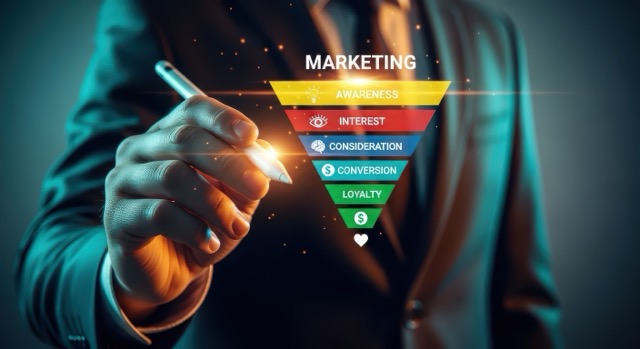
The digital marketing funnel explains that journey. It shows how people move from first discovering your business to eventually taking action, and where marketing needs to support them along the way.
What Is the Digital Marketing Funnel?
The digital marketing funnel is the journey people take before they become customers.
Some people are just starting to learn about you. Some are comparing options. Some are close to taking action. Others have already bought or booked once, and the goal is to keep them engaged.
Most funnels include four main stages:
- Awareness - people discover your business
- Consideration - they learn more and compare options
- Conversion - they take action
- Retention - they stay connected after the first sale, booking, or conversation
The funnel gets smaller at each stage. A lot of people may see your brand, but fewer will visit your website. Fewer will fill out a form. Fewer will become customers.
That’s normal.
The goal is not to force everyone through. The goal is to make the path clear for the right people.
For a broader look at why this matters, check out Why Do I Need Digital Marketing?
Awareness: Getting on the Radar
Awareness is the first stage of the funnel.
This is where someone first comes across your business. Maybe they find you on Google. Maybe they see an ad. Maybe they read a blog, hear your name from a friend, or scroll past your brand on social media.
At this point, they may not be ready to buy. They may not even know exactly what they need yet.
That is why awareness is about showing up in the right places with a message that makes sense quickly.
The goal: get in front of the right people.
Because more attention is not always better. If the wrong audience is seeing your message, the numbers may look good, but the results will disappoint.
Strong awareness helps your business become recognizable, relevant, and worth a closer look.
Consideration: Giving People a Reason to Trust You
Once someone knows you exist, they start asking a different set of questions.
Can this business help me?
Do they understand what I need?
Do they seem credible?
Are they better than the other options?
This is the consideration stage.
People may visit your website, read reviews, compare services, look through case studies, or read a few blog posts. They are not just looking for information. They are looking for confidence in your brand.
This is also where a lot of businesses lose people.
The interest is there, but something feels off. The website is confusing. The messaging is unclear. The service pages do not answer the right questions. The next step feels vague.
A strong consideration stage gives people what they need to keep moving.
Your content should answer real questions.
Your website should be easy to understand.
Your messaging should feel consistent from one touchpoint to the next.
For more on how content supports this stage, check out The Foundation of Great Marketing Is Great Content.
Conversion: Making the Next Step Obvious
Conversion is where interest turns into action.
That action might be:
- filling out a form
- booking a call
- requesting a quote
- making a purchase
- calling your business
This stage sounds simple, but small points of friction can stop people fast.
If the form is hard to find, people leave.
If the page loads slowly, people leave.
If the call to action is unclear, people hesitate.
If the offer does not match what brought them there, trust fades.
A strong conversion path removes those doubts.
People should understand three things right away:
- What to do next
- Why that step matters
- What happens after they take it
That last piece is easy to overlook, but it matters. People are more likely to take action when they know what comes next.
For a deeper look at this stage, check out What Actually Makes a High-Converting Website?
Retention: Turning One Customer Into Long-Term Value
The funnel should not stop after the first conversion.
A lot of growth comes from people who already know you.
Retention is about staying connected after the first purchase, appointment, call, or project. That could include helpful email follow-ups, educational content, review requests, referral campaigns, special offers, or ongoing communication.
This is where marketing starts to compound.
A returning customer usually costs less to reach than a brand-new one. A happy customer can leave a review, refer someone else, or come back when they need you again.
The goal is to build a relationship that keeps creating value.
That is why retention deserves a real place in the funnel, not just an afterthought.
Where the Funnel Can Get Messy
The funnel is helpful, but people do not always move through it in a perfect straight line.
Someone might see an ad, leave, search your name later, read a blog, check reviews, come back to your site, and finally fill out a form.
That’s normal.
People pause. They compare. They get distracted. They come back when the timing is better.
When everything feels aligned, people have an easier time picking up where they left off.
Funnels usually break when one part of that path creates friction:
- Awareness problem: the right people are not finding you
- Trust problem: people find you, but they do not feel confident enough to move forward
- Conversion problem: people are interested, but the next step is unclear
- Follow-up problem: leads come in, but they go cold before anything happens
These issues are common, and they are usually fixable.
The funnel helps you stop guessing and start seeing where people are dropping off. For more on these breakdowns, check out Why Your Digital Marketing Isn’t Working (and How to Fix It).
How to Think About Improving the Funnel
Improving the funnel starts with asking better questions.
If traffic is low - how are people supposed to find you?
If traffic is high but leads are low - what is happening on the website?
If leads are coming in but not closing - are they the right leads?
If customers do not come back - what happens after the first interaction?
The funnel gives you a simple way to diagnose the problem.
That is what makes it useful. It turns digital marketing from a bunch of separate tasks into a clearer system. Each stage has a role. Each touchpoint should help move the right people closer to action.
Conclusion
The digital marketing funnel explains the stages of how people move from first discovering your business to becoming a customer.
When those stages work together, traffic becomes more than a number. It becomes opportunity.
Fluence helps businesses build digital marketing systems that connect visibility, trust, conversion, and follow-up into one clearer path.
Start a conversation with Fluence and see where your funnel can work harder.



.webp)